Guide · 3 min read
Wildlife Safety in Australia
Snakes, sharks, spiders, jellyfish, crocodiles, kangaroos. The honest version.
The Editorial Desk · April 2026
Australia has some of the most dangerous wildlife on Earth. It also has very few wildlife-related deaths each year. Here's how to keep both true for you.
Australia's reputation for dangerous wildlife is mostly deserved and mostly overstated. The country has more venomous snakes than any other on Earth, the world's most dangerous jellyfish, and the longest list of dangerous spiders. It also has well under five wildlife-related human deaths per year on average, fewer than the United Kingdom (cattle, dogs, bees) and a fraction of the road toll. The reason is simple: Australians know how to live with these animals, the medical response is excellent, and most encounters can be avoided with common sense.
Snakes are common across most of the country, including in suburban gardens. They are not aggressive and almost all bites are defensive (someone stepping on or trying to handle a snake). The big risks are eastern brown snake, tiger snake, taipan, and red-bellied black snake. If you see a snake, freeze for a moment, then walk slowly away. If bitten, lie still, apply a pressure-immobilisation bandage to the entire limb, and call 000. Antivenom is universally available and bites are almost always survivable if treated.
Spiders are widely feared but rarely actually dangerous. The Sydney funnel-web is the most dangerous; redback bites can also be serious. Antivenom for both is freely available. Between the introduction of redback antivenom in 1956 and 2016, there were no recorded deaths from spider bite in Australia. A 22-year-old man in New South Wales died in 2016 after a redback bite complicated by a secondary bacterial infection, the first such case in sixty years. One death in over six decades remains an exceptional safety record compared to most of the world.
Sharks are a real risk if you swim in deep water at known shark beaches at dawn or dusk. The risk is small but real. Surf beaches across Australia have shark patrols, drone surveillance, and beach closures. Swim between the red and yellow flags at patrolled beaches and you're as safe as you can be.
Jellyfish are a serious problem in tropical Australia between October and May. The box jellyfish and the irukandji are extremely dangerous. Beaches in north Queensland, the Northern Territory, and northern Western Australia have stinger nets and provide vinegar at beach access points. Always check the local stinger advice before swimming in tropical waters in the wet season.
Saltwater crocodiles live in the rivers and estuaries of northern Australia, from Broome around to Rockhampton. They are the largest reptile in the world and treat humans as prey. Never swim, paddle, clean fish, or even stand near the edge of any waterway in the croc zone. Crocodile warning signs are not decorative.
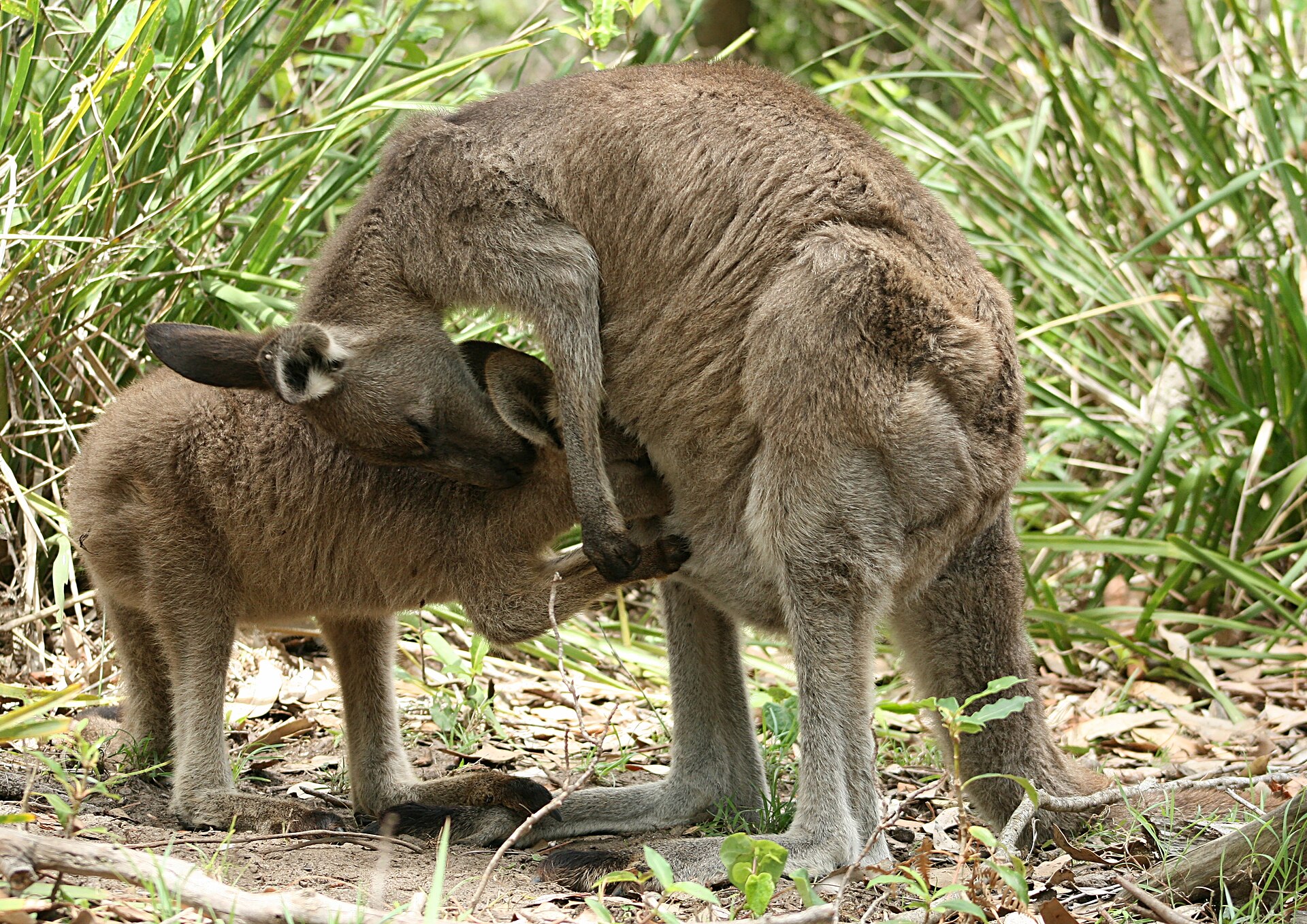
Kangaroos are the most common wildlife hazard for travellers, but only on the road. They are most active at dawn and dusk. Avoid driving outside major cities at those times, and slow down on country roads at any time of day.
Destinations in this article
Sources