Guide · 2 min read
Weather and When to Go
Australia is huge. The right season depends entirely on where.
The Editorial Desk · April 2026
Australia spans almost 4,000 kilometres north to south, from the tropics to the temperate cool. The right season for one half of the country is the wrong one for the other.
Australia's climate splits roughly along the Tropic of Capricorn (around the latitude of Rockhampton in Queensland and Alice Springs in the Northern Territory). North of that line, the country has two seasons: the wet (December to April, hot and humid with heavy rain and cyclones offshore) and the dry (May to October, warm and rain-free). South of the Tropic, the country has the four traditional seasons: summer (December to February), autumn (March to May), winter (June to August), and spring (September to November).
For the tropics (Cairns, Darwin, Kakadu, Broome, Karijini), the dry season from May to October is the only sensible time to visit unless you specifically want to see the wet season's flooded waterfalls and birdlife. The dry brings warm days, low humidity, blue skies, and zero risk of cyclones.
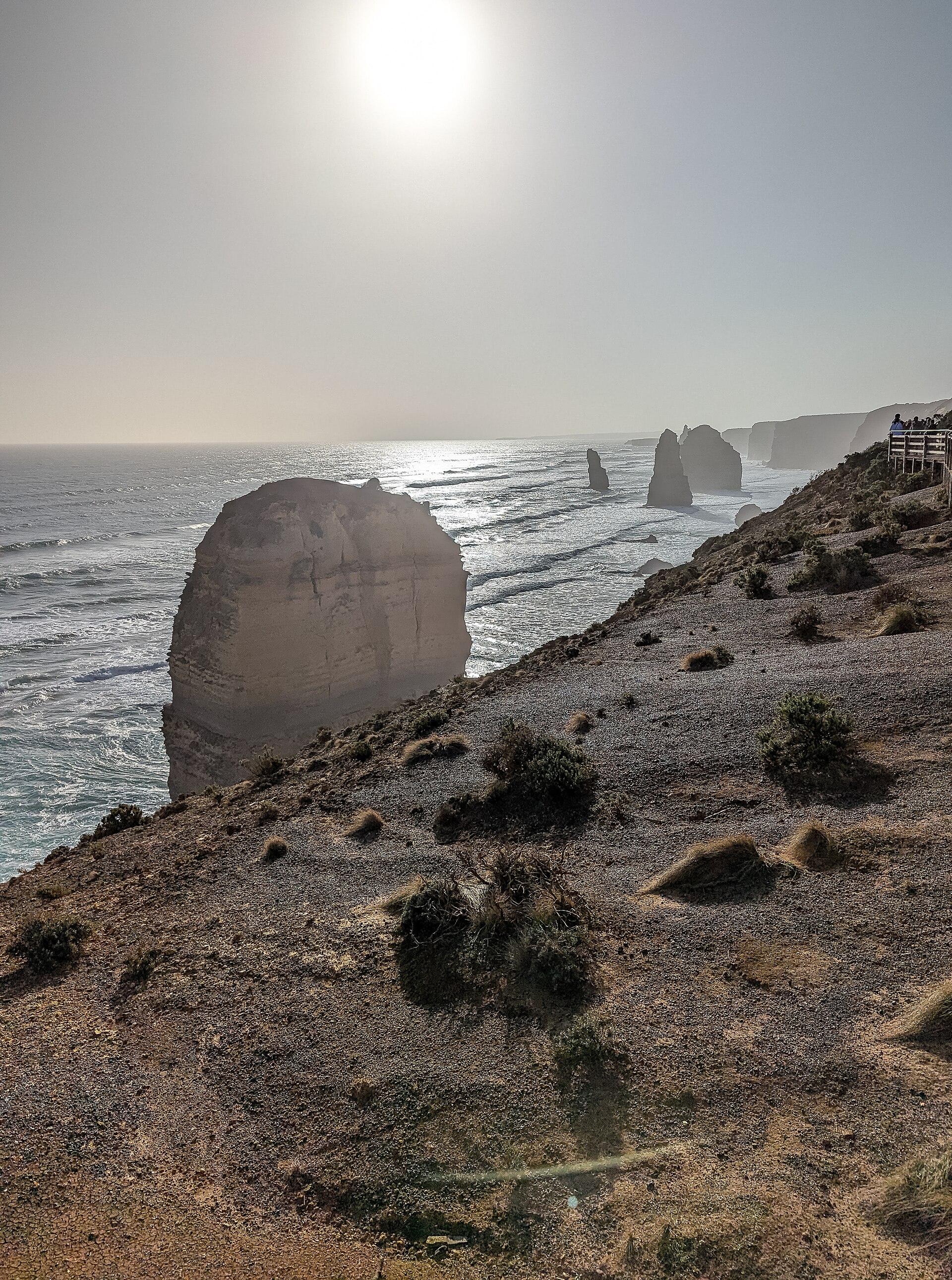
For the southern half (Sydney, Melbourne, Adelaide, Perth, Hobart, the Great Ocean Road, Tasmania), the shoulder months of March to May and September to November are the most reliable. Summer is hot and crowded with school holidays, winter is mild but wet (rain in Melbourne, snow in the alps).
For the Red Centre (Uluru, Alice Springs, Kings Canyon), winter (May to September) is essential. Daytime temperatures are mild (20 to 25 degrees), nights are cold (sometimes near freezing), and the dust is settled. Summer in the Red Centre is brutally hot, often above 40 degrees, with extreme heat closures on the major walks.
For the snow (the Snowy Mountains in NSW, Falls Creek and Mount Hotham in Victoria), the season runs roughly June to early October.
Cyclones in northern Australia run from November to April, with a peak in February and March. They can affect coastal regions from Broome to Cairns. Bushfire season runs in summer in the south, with the worst risk in January and February. Both can disrupt travel plans, so check the Bureau of Meteorology before any major trip.
Destinations in this article
Sources