Guide · 2 min read
Visas and Entry Requirements
eVisitor, ETA, and what most visitors need.
The Editorial Desk · April 2026
Most visitors to Australia need a visa before arrival. Here is the rundown for the common visitor types.
All visitors to Australia (other than New Zealand passport holders, who are issued a Special Category Visa on arrival) need a visa to enter the country. Australia does not run a visa-free entry programme. The good news is that the most common visitor visas are quick and inexpensive to apply for online.
The eVisitor (subclass 651) is for passport holders of European countries plus a handful of others. It allows multiple visits over a 12-month period, each up to three months long. There is no visa application charge.
The Electronic Travel Authority (subclass 601) covers passport holders from a wider list including the United States, Canada, Japan, Singapore, South Korea, Hong Kong, and others. Same conditions: 12 months, multiple entries, three months per visit. There is a small service charge.
The Visitor visa (subclass 600) is the catch-all for everyone else, and is also used by visitors who want to stay longer than three months at a time, or who plan to visit relatives. It costs significantly more and takes longer to process.
The Working Holiday visa (subclass 417) and the Work and Holiday visa (subclass 462) are available to people aged 18 to 30 from a list of partner countries, and allow up to a year of unrestricted travel and work in Australia. Passport holders from a smaller group of countries (currently including the UK, Canada, Denmark, France, Ireland and Italy) can apply up to age 35 under the 417 stream. Either visa can be extended if you do specified regional work.
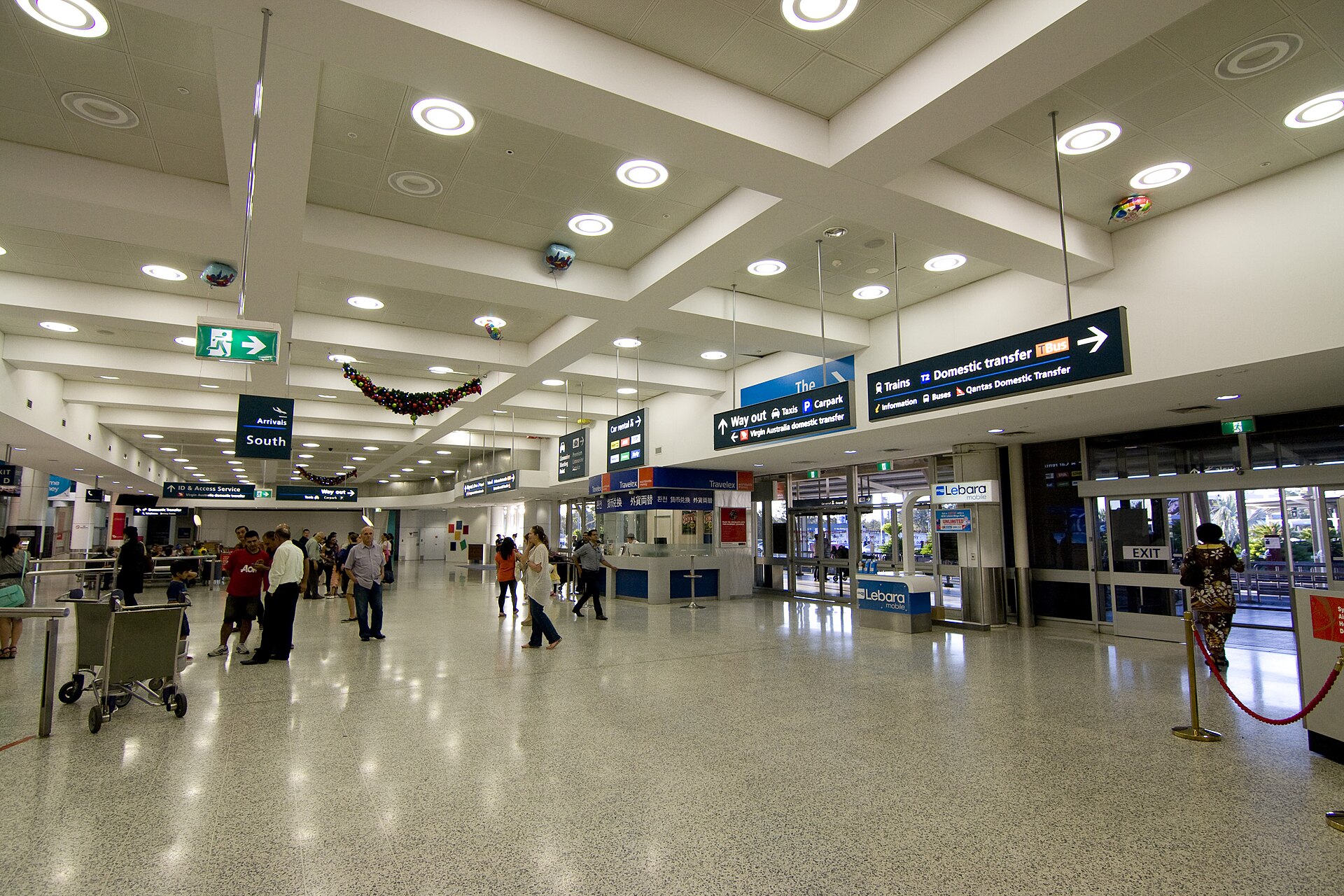
All Australian visas are stored electronically and linked to your passport. There is no visa stamp or sticker. Border control at the airport scans the passport and the system recognises the visa automatically. SmartGate self-service kiosks are available to passport holders of around 30 countries on arrival.
The Australian Border Force is strict on biosecurity. All international arrivals must declare any food, plant material, animal products, or anything that has been in contact with soil. Penalties for false declarations are severe. When in doubt, declare it.
Maximum stays vary by visa subclass, and overstaying invalidates future visas. Always check the dates and conditions on the Department of Home Affairs website before booking.
Sources