Guide · 2 min read
Tipping and Etiquette
Australian social conventions for visitors.
The Editorial Desk · April 2026
Australia is informal by international standards. Here's the unwritten rule book.
Australian social culture is famously informal. First names are normal in almost any setting, including with elders, business contacts and government officials. Dress codes are relaxed almost everywhere. Suits are confined to law firms, banks, and parliament; smart casual is the standard for almost any other dinner or workplace. The only places where formality really applies are fine dining restaurants and formal sporting events like the Melbourne Cup.
Tipping is not part of the culture. Service workers in Australia are paid a proper minimum wage with weekend and public holiday loadings on top. Tipping is genuinely uncommon. If a meal is exceptional, rounding the bill up or leaving 5 to 10 percent on the table is appreciated but not expected. Tipping at bars, taxis, and for everyday services is not done. Tour guides who run multi-day trips do sometimes receive tips at the end of a tour, but it's not a fixed expectation.
Greetings are a handshake or, for friends, a hug. Cheek-kissing is uncommon outside European-Australian families. First names are the norm.
At the pub, the round system is universal. If you're drinking with a group, you take turns buying a round of drinks for everyone. Failing to take your turn is a serious social faux pas. Order at the bar; table service is rare except in upmarket restaurants.
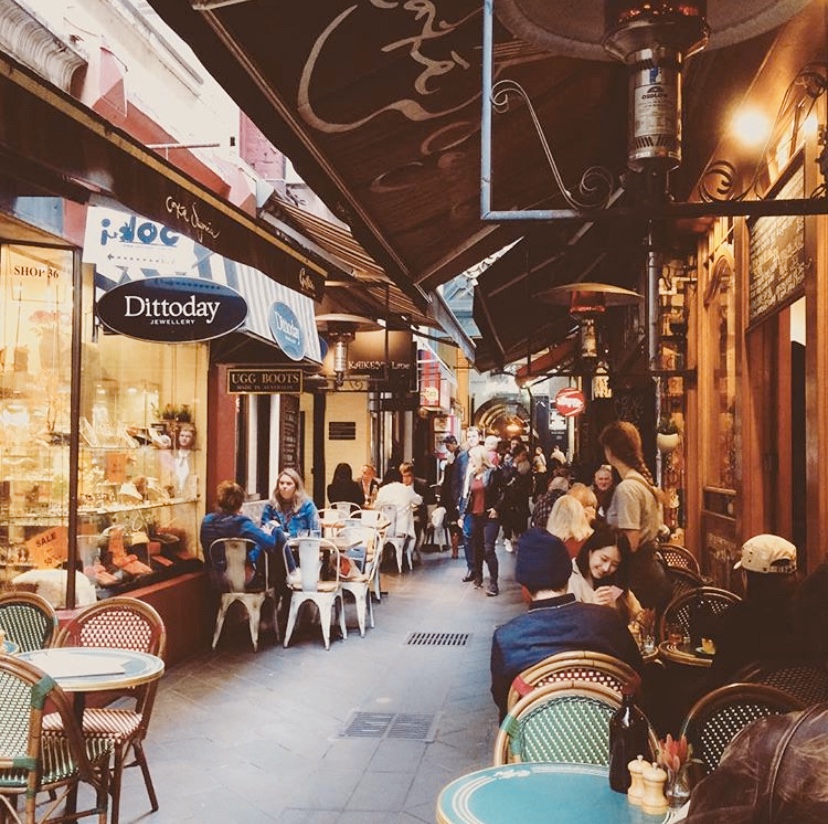
Coffee is a defining cultural item, particularly in Melbourne. Don't order a Starbucks-style frappuccino at an independent cafe; it's not what they do. The standard order is a flat white, a long black, a cappuccino, or a latte. Australian coffee is closer to Italian than American in style and strength.
Public transport has unwritten rules: stand on the left of escalators, give up seats for older people and pregnant women, and don't talk loudly on phones in train carriages.
Acknowledgement of Country is now standard at the start of public events and meetings. It is a brief recognition of the Aboriginal and Torres Strait Islander Traditional Owners of the land you're meeting on. It is not religious and is not optional in most government contexts.
Punctuality matters in Australian culture. "Australian time" is not a thing in business or social settings. If you say 7pm, arrive at 7pm.
Destinations in this article
Sources