Guide · 5 min read
Public Transport in Australia
Getting around without a car in a country built around them.
The Editorial Desk · April 2026
Australia is a car country, but the cities have surprisingly good public transport and there are a handful of iconic long-distance train and bus routes worth planning around.
Australia is one of the most car-dependent countries in the developed world, but the major cities have extensive public transport networks and a few of the long-distance routes are destinations in themselves. Here is how to get around without (or with minimal) driving.
Major city networks: Every capital has its own ticketing system and smartcard.
- Sydney uses the Opal card across trains, buses, ferries and light rail. Credit and debit contactless cards also work directly as tap-on payment. The network is extensive and covers most visitor destinations. The Sydney Harbour ferries are a scenic travel option and cost the same as a normal public transport trip.
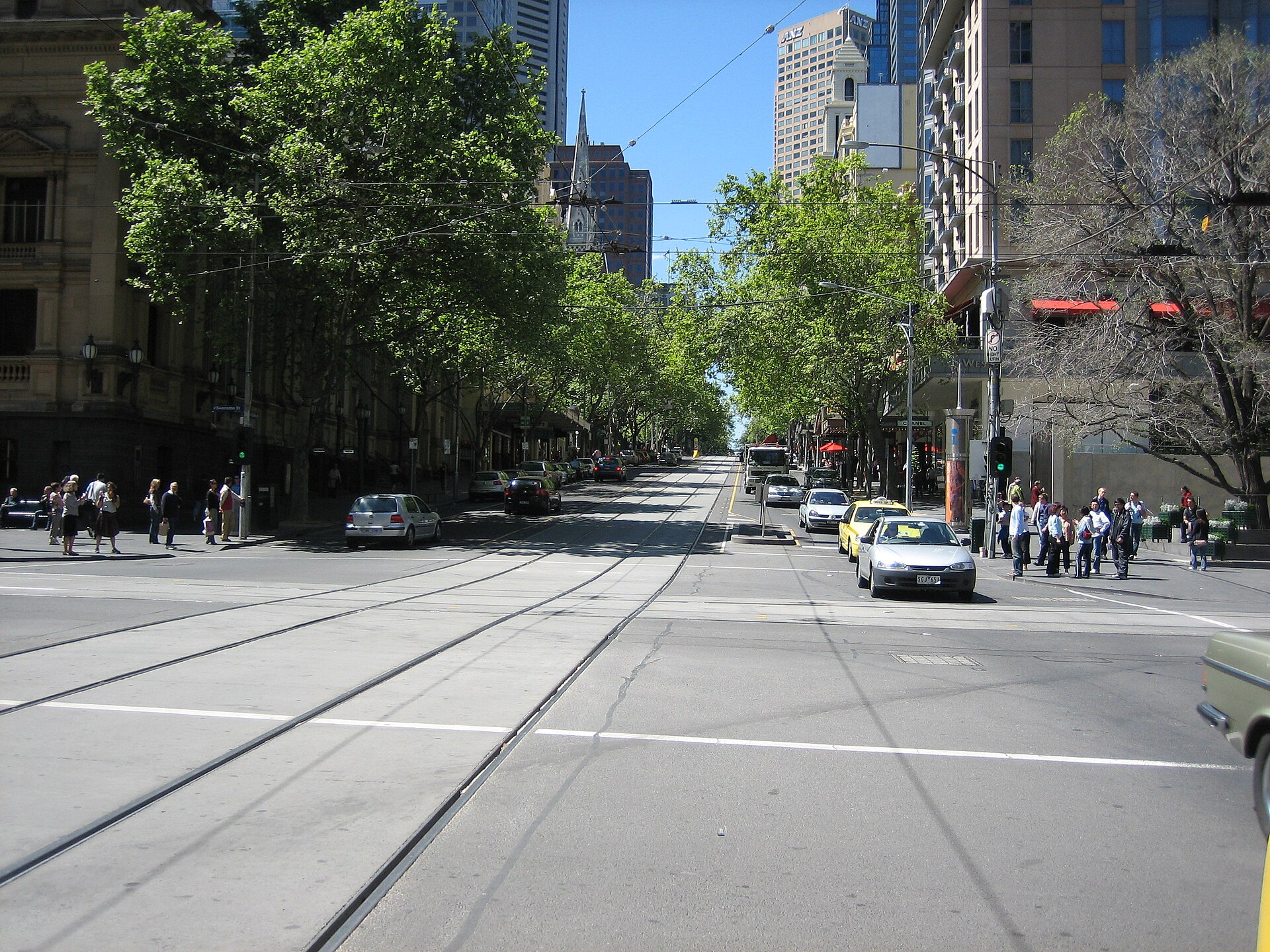
- Melbourne uses Myki across trains, trams and buses (Myki now also supports contactless card and smartphone payment in addition to the physical card). Trams in the CBD are free within the Free Tram Zone, which covers most of the central grid. The train network is extensive and V/Line regional trains reach Geelong, Ballarat, Bendigo and the towns along the Great Ocean Road.
- Brisbane has moved to a simple tap-on, tap-off system: any Visa or Mastercard contactless card (or phone) now works directly on trains, buses and ferries across the South East Queensland network, and existing Go Cards continue to work. The CityCat ferry network is genuinely useful for getting around the river.
- Perth uses SmartRider cards, with contactless card and phone payments rolling out across the network. The Airport Line, which opened in October 2022, runs direct trains from Perth Airport to the CBD (Airport Central station serves Terminals 1 and 2, Redcliffe serves Terminals 3 and 4). Central-city buses include a free CAT network that loops the CBD.
- Adelaide uses Metrocards across its relatively simple tram, train and bus network. The Glenelg tram runs from the city to the beach.
- Hobart has buses and a small river ferry: the Derwent Ferry runs across the river between Bellerive and Brooke Street Pier, and the MONA Roma ferry runs up the river from Brooke Street Pier to MONA.
- Darwin and Canberra are both car-dependent. Canberra has a single light rail line between Gungahlin and the city plus a bus network (all using the MyWay card).
Intercity rail. Australia has a handful of long-distance train routes that are either functional or genuinely scenic.
- The Indian Pacific runs weekly between Sydney and Perth via Adelaide, a 4,352 kilometre journey over four days. It is one of the longest single rail journeys in the world and crosses the treeless Nullarbor Plain.
- The Ghan runs between Adelaide and Darwin via Alice Springs, a 2,979 kilometre journey that now runs as a three- or four-day expedition. It is frequently named among the world's great train trips.
- The Overland is a day train between Melbourne and Adelaide.
- NSW TrainLink XPT services connect Sydney to Melbourne and Brisbane and are a slow but affordable overnight option. NSW is in the process of replacing the XPT fleet with the new Mariyung regional trains.
The Indian Pacific, The Ghan and The Overland are operated by Journey Beyond; the XPT is run by NSW TrainLink.
Long-distance buses. Greyhound Australia runs the main intercity coach network up and down the east coast and across the centre. Fares are significantly cheaper than the train but journeys are long. Premier Motor Service is a lower-cost alternative on the east coast. Several companies run hop-on, hop-off backpacker services along the Sydney-Cairns route, which are popular with younger travellers on working holidays.
Domestic flights. For most long-distance travel, flying is cheaper, faster and more reliable than rail or bus. Qantas and Virgin Australia are the two major full-service carriers. Jetstar is the main low-cost carrier. Rex (Regional Express) runs the regional network; after a period in voluntary administration in 2024 and 2025 it was acquired by Air T in late 2025 and continues to serve around 45 regional destinations with government backing. Book early for the cheapest fares, and expect a significant price jump during school holidays and public holidays.
Transport to the airports. Every major city now has some form of airport link. Sydney, Brisbane and Perth have direct trains; Melbourne has a dedicated airport bus service (Skybus) that runs every 10 to 15 minutes and the Melbourne Airport Rail project is still under construction. Taxis and Uber are widely available everywhere. Airport transfers typically cost 25 to 60 dollars depending on the city and the distance.
Car rentals. Despite what you can do by public transport, most visitors rent a car for at least part of their trip because the most iconic destinations are either remote or poorly served. Rental prices vary seasonally and are much higher in December and January. International drivers can rent a car on a foreign licence in English; other languages require an International Driving Permit.
Ride share. Uber and DiDi are the two main ride-share apps operating nationally, and Uber is the most widely used. Ola exited the Australian market in April 2024 and Bolt left in 2020, so they are no longer options here. Taxi companies run alongside and can be booked via their own apps (13CABS, Silver Service).
Destinations in this article
Sources