Guide · 4 min read
Indigenous Tourism Etiquette
How to visit Aboriginal and Torres Strait Islander sites respectfully.
The Editorial Desk · April 2026
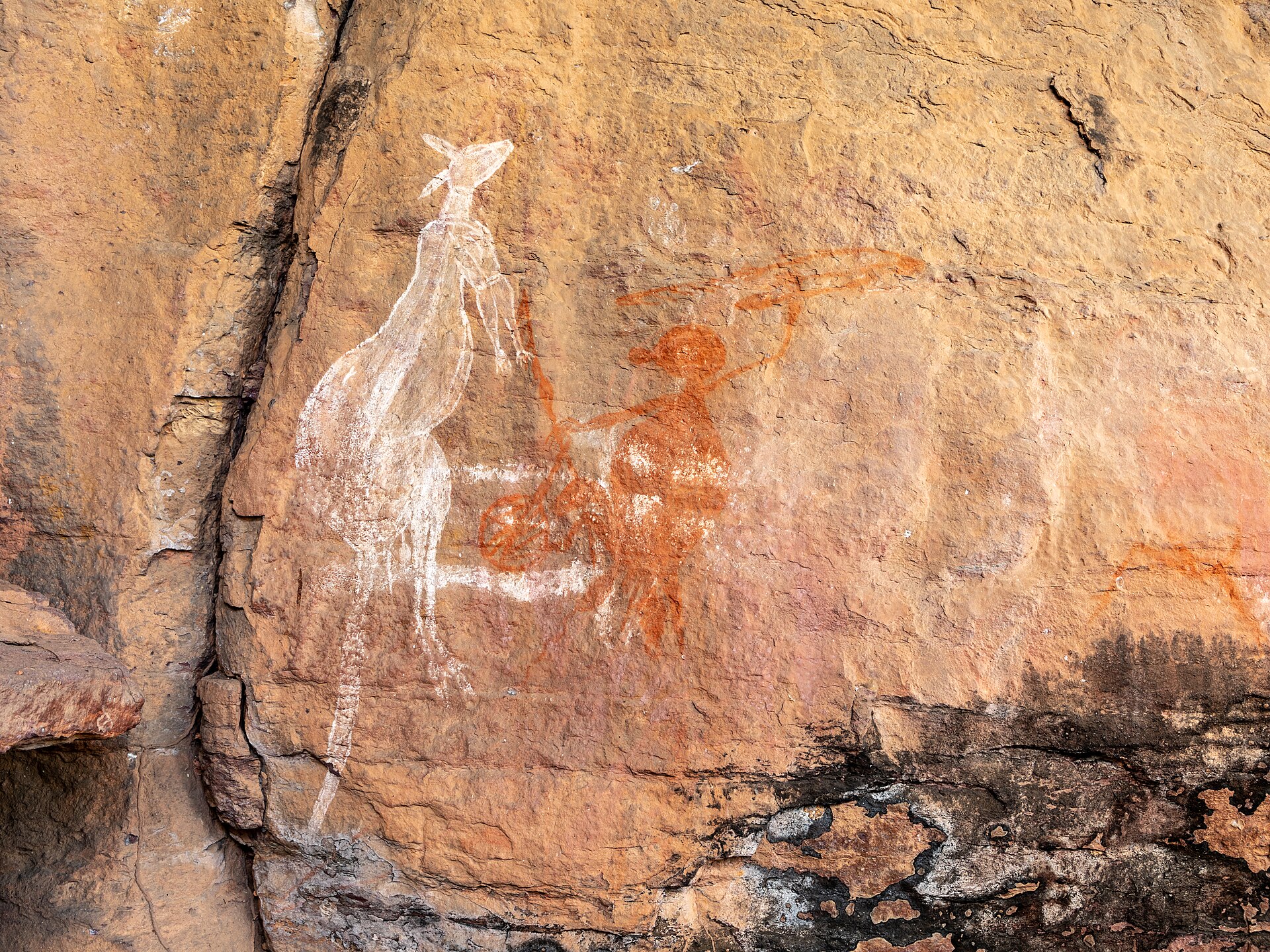
Australia is home to the oldest continuous culture on earth. A little awareness goes a long way towards visiting responsibly, and supporting the communities whose country you are on.
Aboriginal and Torres Strait Islander peoples have lived on the Australian continent for at least 65,000 years, making it the oldest continuous culture on earth. Most visitors to Australia will encounter Aboriginal country, cultural sites, art, or tourism experiences at some point in their trip, and a basic awareness of local expectations goes a long way.
Start with an acknowledgement of Country. When you arrive at a significant site, or begin a tour with an Aboriginal guide, it is respectful to acknowledge the traditional owners of the land you are on. Most tours begin with a formal acknowledgement or, in the case of a resident traditional owner, a welcome to Country ceremony. These are not performative; they are meaningful, and it is customary to stand quietly and listen.
Book Aboriginal-owned and operated experiences where you can. The strongest single thing a visitor can do to support indigenous communities is to spend money on indigenous-owned tours, art centres and cultural experiences. Across Australia there is now a wide network of these operators. Notable examples include Maruku Arts at Uluru, SEIT Outback Australia in the Red Centre, Bama Way Aboriginal Journeys in the Daintree and Cape York, Dreamtime Southern X in Sydney, and the Wukalina Walk in Tasmania's north-east. Tourism Australia maintains a directory of Aboriginal-operated experiences and every state tourism body can provide its own list.
Respect sacred and restricted areas. Many Aboriginal sites have sections that are sacred to men only, women only, or the initiated, and these areas are always marked with clear signage. Do not enter restricted areas, do not photograph them, and do not attempt to access them by persuasion or bribery. At Uluru, several sections of the base are restricted under Anangu law, and the photographing restrictions are explicit on the signs. Climbing Uluru itself is banned and has been since 26 October 2019.
Do not remove anything from country. This includes rocks, plants, pigments, artefacts, and water from sacred waterholes. Beyond being culturally disrespectful, removing natural objects is illegal under state heritage and national parks legislation. If you see something that looks like an artefact on a walk, leave it exactly where it is and report it to the park ranger.
Check before photographing people. Always ask before photographing Aboriginal people, especially in community settings. Some communities have specific customs around photography, particularly of children. A tour guide will usually tell you what is and is not allowed at the start of the day. In remote communities there may be a standing request not to photograph residents at all, and this should be respected without exception.
Be careful with the word 'Aboriginal'. The preferred term depends on the context. Aboriginal is acceptable as a general term for the First Peoples of mainland Australia. Torres Strait Islander is used for the peoples of the Torres Strait Islands north of Queensland. 'Indigenous' is often used as an umbrella term but many Aboriginal people prefer their specific nation name (for example Anangu at Uluru, Yolngu in Arnhem Land, Gadigal in Sydney). Ask, listen, and follow the lead of local guides.
Shopping for Aboriginal art. The authenticity of Aboriginal art is important both ethically and legally. Buy from accredited Aboriginal-owned art centres wherever possible, such as those listed on the Indigenous Art Code website. These centres pay the artist fairly and ensure the work is properly documented. Be wary of cheap 'Aboriginal style' art at tourist shops, which is often fake and does not benefit the communities it appears to represent.
Alcohol and restricted areas. Some Aboriginal communities and large parts of the Northern Territory and Western Australia are designated as alcohol-restricted areas. These are usually clearly signposted at entry points, and both bringing in and consuming alcohol can result in substantial fines. Respect these restrictions as matters of community self-governance, not as a challenge.
Acknowledgement of Country by visitors. You do not need to formally acknowledge Country when speaking to other travellers, but many visitors find it meaningful to take a moment at the start of a significant walk or visit to reflect on whose land they are on. This is genuinely welcomed by most Aboriginal communities as a sign of respect.
Destinations in this article
Sources