Guide · 5 min read
Driving in Australia
Roads, rules, fuel, distances, wildlife.
The Editorial Desk · April 2026
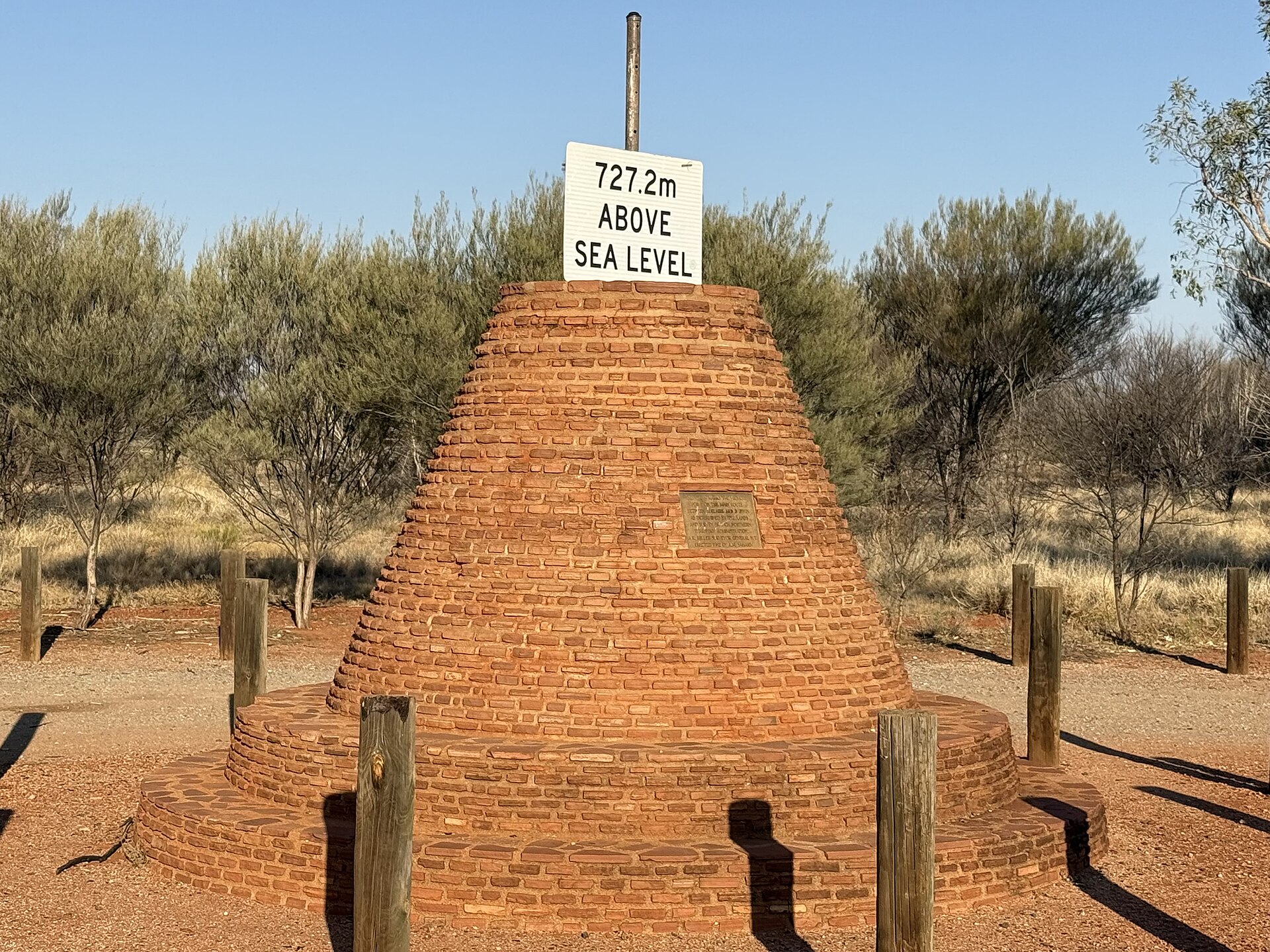
Australia is one of the great driving countries on Earth, but the distances catch most first-time visitors off guard. Here's the practical guide to driving in Australia in 2026.
Australia drives on the left, the same as the United Kingdom, Japan and India. International visitors can drive on a foreign licence (in English) for up to three months in most states; longer stays require a translation or an International Driving Permit. The minimum driving age varies by state, with most learner permits available from 16 and full licences from around 18.
The national speed limit on open highways is 100 or 110 kilometres per hour. The Northern Territory's open-road limit is 130 kilometres per hour on parts of the Stuart Highway. Built-up areas are 50 km/h, school zones 40 km/h. Speed cameras are extensive and fines are real. Random breath testing for alcohol is the law, with 0.05 the legal limit (lower for new drivers and professional drivers).
Distances are the thing visitors most consistently underestimate. Sydney to Melbourne is 880 kilometres. Brisbane to Cairns is 1,700 kilometres. Perth to Adelaide is 2,700 kilometres on the Eyre Highway, almost entirely treeless desert. The route from Adelaide to Darwin via Alice Springs and Uluru is around 3,000 kilometres of mostly empty road. Plan two long days for any significant intercity drive and stop at official rest areas.
Fuel stations are common on the east coast but can be 200 kilometres apart in the outback. Carry water, a spare tyre, and a basic recovery kit if you're going off the main highways. Mobile phone coverage is poor or non-existent across most of the inland.
Wildlife on roads is the biggest hazard outside major cities. Kangaroos are most active at dawn and dusk and a collision can write off a vehicle and seriously injure occupants. Most local drivers avoid driving in unsealed regional areas between sunset and sunrise. If a kangaroo or wombat appears on the road, brake in a straight line; do not swerve.
Dirt-road driving requires a 4WD in most cases. Roads marked unsealed or 4WD only on the map are not suitable for standard rentals, and rental insurance often excludes them. The Outback Way (the unsealed inland route from Winton to Laverton) is a serious 4WD undertaking and not for first-time outback drivers. The Great Central Road and the Tanami Track also fall into the same category.
Finally, fuel is sold in litres and is significantly cheaper in cities than in remote areas. Expect a price difference of 30 to 50 cents per litre between Sydney and an outback roadhouse.
Sources