Guide · 4 min read
The Best Time to Visit Australia
A month-by-month breakdown for a country that is both tropical and temperate.
The Editorial Desk · April 2026
Australia is too big for a single 'best time'. The right month depends entirely on where you are going and what you want to see. Here is the full calendar.
There is no universal best month to visit Australia because the country is almost as wide as the contiguous United States and spans the tropics in the north to near-Antarctic latitudes in the south. What matters is matching the month to the region. Here is how locals think about it.
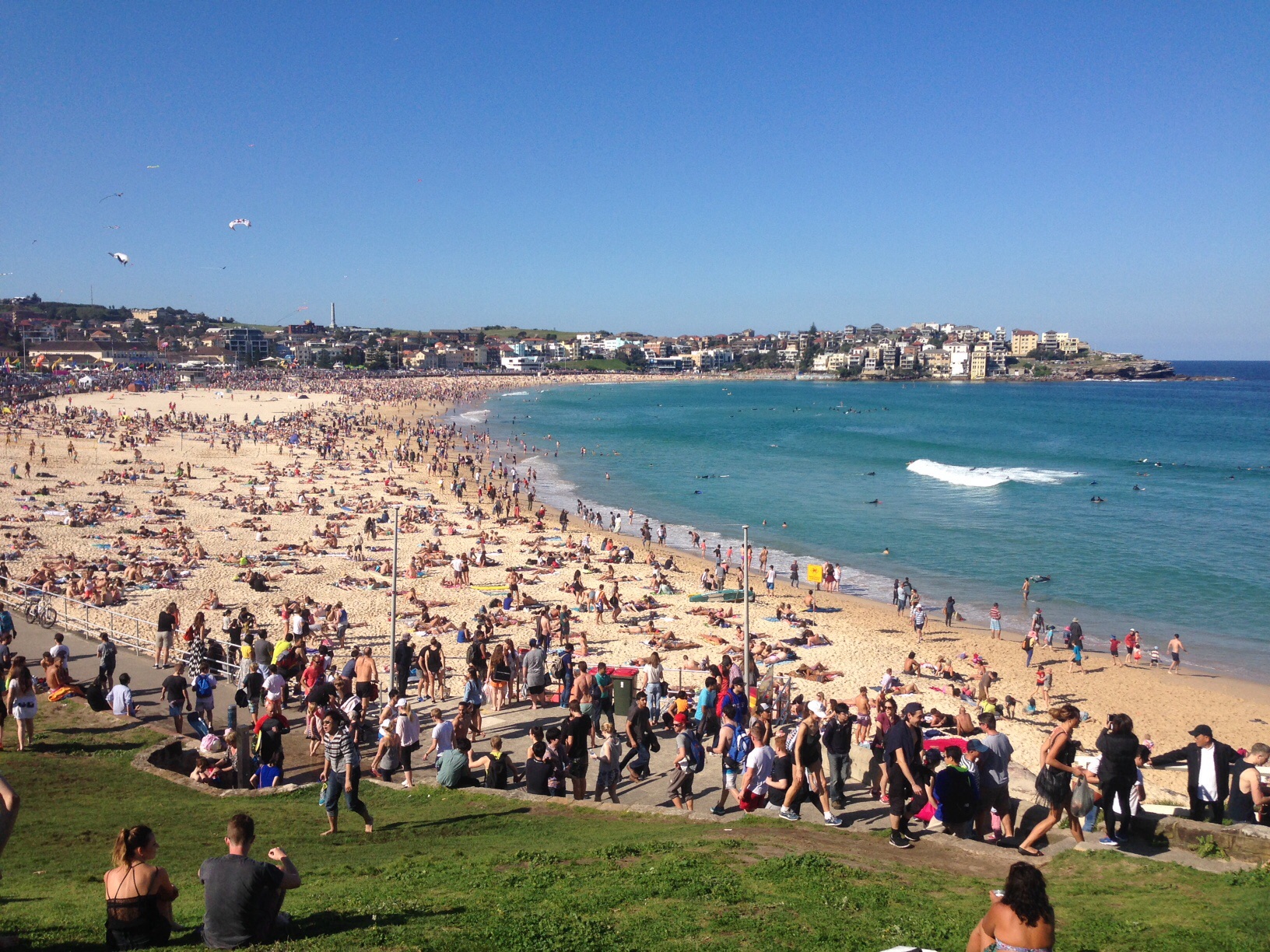
January and February are peak summer and also peak school holidays, meaning beaches are crowded and prices spike. The southern states (Melbourne, Sydney, Adelaide, Perth) are reliably hot and sunny. The tropical north is in the wet season, with monsoon storms, humidity and significant cyclone risk along the Queensland and Northern Territory coasts. Avoid Darwin and Broome if possible, and expect pontoon days on the Great Barrier Reef to be interrupted by afternoon squalls.
March and April are the sweet spot for the southern half. Autumn temperatures are mild, the summer crowds thin out after the school year starts, and the Easter holidays mid-April are the only busy period. Tasmania is at its most photogenic with autumn colours on the fagus, and the Great Ocean Road is at its quietest.
May and June open the dry season in the tropics. Cairns, Port Douglas, Darwin, Kakadu, the Kimberley and the Pilbara become accessible, with clear days and low humidity. This is also when the whale shark season begins at Ningaloo Reef. The southern cities are cool and often wet, with Melbourne and Hobart getting a proper winter, though it is also when Vivid Sydney and Dark Mofo run.
July and August are the standout months for the Red Centre and the Top End. Uluru, Kings Canyon, Kakadu and the Kimberley are all at their best, with warm days, cold nights, and no cyclones or bushfires. Whales are migrating along the east and west coasts and can be watched from shore. The ski fields in New South Wales and Victoria are in peak season.
September and October are the shoulder window and widely regarded as the best two months for a general Australia trip. Spring temperatures are mild across most of the country, the wildflowers are spectacular in Western Australia, the tropics are still dry, and the spring racing and festival calendar fills in Melbourne, Sydney and Adelaide. October is when coral spawning happens on the Great Barrier Reef, one of the most extraordinary natural events on earth.
November is the last month before the wet season returns to the north. Summer is starting in the south but temperatures are not yet uncomfortable. This is one of the best months for visiting Sydney, the Hunter Valley, the Blue Mountains and the Great Ocean Road, and for the Melbourne Cup racing carnival. Queensland beaches are warm but the wet season rain is already starting in the far north.
December is the beginning of peak summer, school holidays and Christmas travel. The southern coastal towns are at their busiest and most expensive, and the tropical north is solidly into the wet. For most visitors, the first half of December (before school breaks up around the 20th) is the last pocket of sensible prices and availability in the south.
The short version: May to October is the safest window for a first-time visit if you plan to include any of the tropical or desert destinations. April, September and October are the best months for the southern coast and wine regions. Avoid late December and January unless you are committed to the beaches and can absorb peak-season prices.
Destinations in this article
Sources